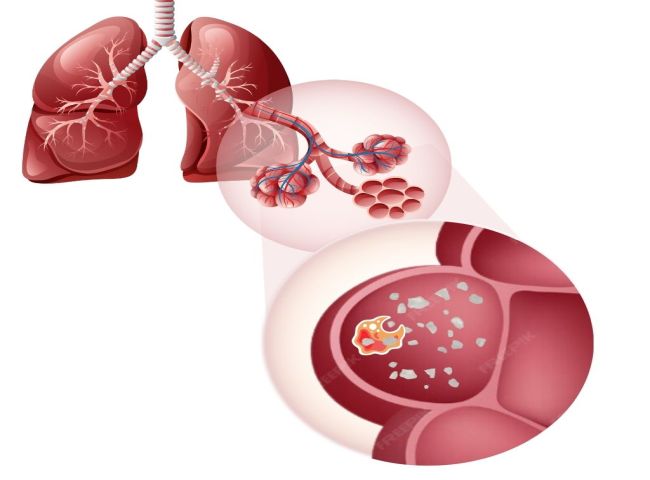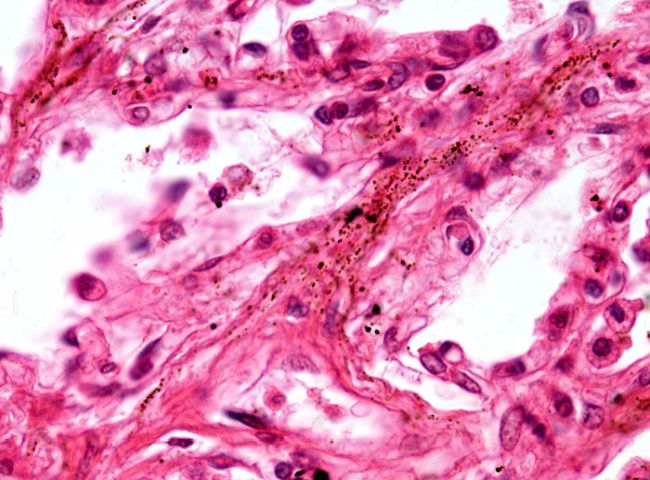
Silicosis is a fibrotic disease of the lungs caused by the inhalation and deposition of respirable crystalline silica (RCS) in the lung tissue. It falls into the group of diseases known as pneumoconioses. Very fine silica dust scars the lungs and causes progressive respiratory impairment. Accelerated silicosis is an aggressive form of pneumoconiosis. It progresses more quickly than chronic silicosis, developing within 3 to 10 years of exposure. Once the disease has become established, symptoms include cough, breathlessness, tiredness and weight loss. These may develop after exposure to RCS has ceased, although continued exposure hastens the progression of the disease. It's a preventable disease. There's currently no known treatment to arrest the progression of accelerated silicosis, apart from lung transplantation.
The nature of exposure
Cutting, grinding and polishing of artificial stone exposes workers to very fine respirable silica dust. Engineered stone can have respirable crystalline silica concentrations of over 90%.Natural stone like granite, typically contains only up to 30% of respirable crystalline silica, No safe levels of silica exposure have been established. Read the University of Adelaide engineered stone report for more information.
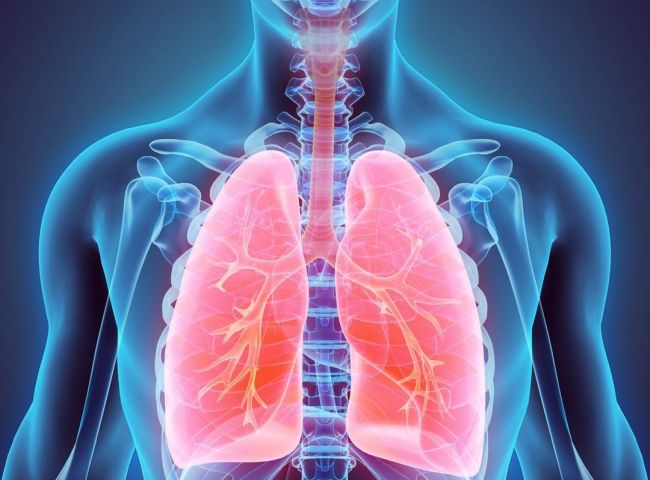
There are several clinical and pathologic varieties of silicosis, based on the time taken to accumulate a Total Lung Burden of respirable crystalline silica sufficient to trigger a nodular fibrotic reaction in the lung tissue.
Classic silicosis, exposure for more than 10 years.
Exposure over 1 to 10 years but usually only 3 to 10, historically rare but much more common recently in engineered stone workers.
Exposure for less than 1 year (used to be less than 3 years), historically very rare.
The development of different forms of silicosis is also dependent on the concentration and the surface texture of the crystalline silica particles. Chronic (nodular) silicosis is the most frequent form of the disease, often manifesting 10 to 20 years (but can be up to 40) after first exposure. Although acute and accelerated silicosis are less common, accelerated silicosis can develop within only 5 to 10 years after the initial exposure to silica dust, while acute silicosis develops within a year.
Initiation and progression of silicosis
The minimum Total Lung Burden of respirable crystalline silica needed to trigger accelerated silicosis or chronic silicosis isn't known. The rate of change in lung function deterioration for workers with accelerated silicosis is on average 10 times faster than the normal age-related deterioration. Even in the absence of further exposure, silicotic nodules may continue to develop and coalesce resulting in the development of progressive massive fibrosis (PMF). If a worker has had sufficient exposure to silica dust, the disease may not become first evident until after the worker has left the industry.
Symptoms
In general, most cases of silicosis are asymptomatic until the disease is severe. Progression of the disease may vary considerably between individuals for reasons not yet understood. In the early stages, workers will be asymptomatic and symptoms may not appear until some years later, even after exposure has ceased.
The situation in Australia
Factors that have given rise to the silicosis epidemic include:
Australia
The importance of regular health surveillance
At South Australian Medical Specialists, we are committed to protecting the respiratory health of South Australians through early detection, assessment, and ongoing management of occupational lung disease. Our program focuses on workers exposed to respirable crystalline silica, particularly in industries such as stone benchtop manufacturing and construction. Being a specialist respiratory group we are able to offer assessment for other respiratory occupational lung disease. Since 2023, we have been actively screening silica-exposed workers across South Australia, in collaboration with government agencies. To date, we have conducted over 180 occupational lung health assessments, with ongoing support and care for workers diagnosed with silica-related conditions.
Each physician brings deep clinical expertise in occupational lung health, with a shared commitment to early intervention and comprehensive care.
Our occupational respiratory assessments, including silicosis screening, are currently supported by a funded program through ReturnToWorkSA (RTWSA) for eligible workers.
For Employers & Organisations
Employers and industry groups are encouraged to proactively support the health of their workforce.
We offer flexible options, including:
Our team work with RTWSA and MAQOHSC and coordinate screening. Our staff will assist with logistics, eligibility checks, and coordination with RTWSA where applicable.
What happens during your screening assessment
Health screening is a mechanism to detect early disease before symptoms develop. We provide comprehensive, respiratory health assessments to identify early signs of occupational lung disease, such as silicosis.
Each assessment includes:
What to Bring to Your Appointment
For Workers
If you are currently working—or have previously worked—in an industry where silica dust exposure may have occurred (such as stone benchtop fabrication, construction, or quarrying), you may be eligible for a fully funded respiratory assessment. Contact our team or speak with your employer about arranging a screening through the RTWSA program. We’ll guide you through the referral and booking process, including any required pre-assessment testing such as CT scans.
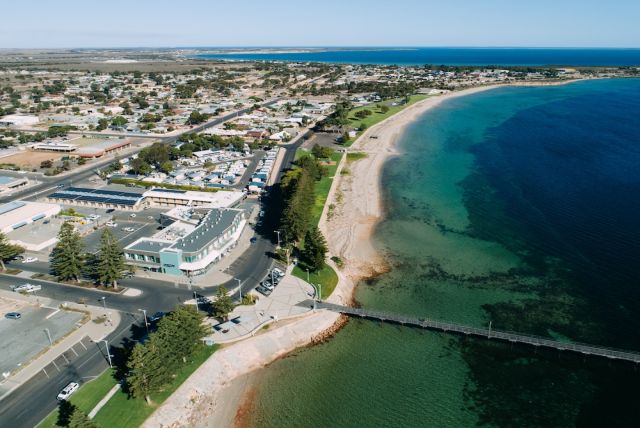
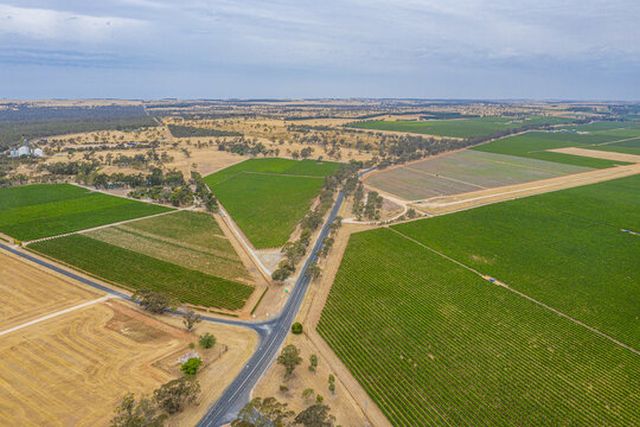
We are proud to offer testing and consultations not only in the Adelaide CBD but also throughout remote and regional South Australia.
We also provide onsite assessments and are able to source consulting locations in other areas on request. Our mobile lung function testing capabilities mean we can reach even the most remote regions with high-quality diagnostics
379 Brighton Road,
Hove SA 5048
Get support via email
admin@orss.com.au
Opening hours are 9am - 5pm, Monday - Friday
+08 8298 9025